When people think about air pollution in major cities, they often imagine heavy traffic, large industrial zones, and smog-filled skylines. Addis Ababa faces its own environmental challenges, but the city also has several natural and urban advantages that offer hope for a cleaner future.
Located more than 2,300 metres above sea level, Addis Ababa enjoys a mild tropical highland climate. Temperatures are generally comfortable throughout the year, and most homes, offices, and hotels have little need for air conditioning.
Many visitors immediately notice the city’s cool temperatures, open skies, and refreshing highland atmosphere.
Some of Addis Ababa’s main environmental advantages include:
A high-altitude location
Mild temperatures throughout much of the year
Regular natural airflow
Limited heavy industrial activity in many parts of the city
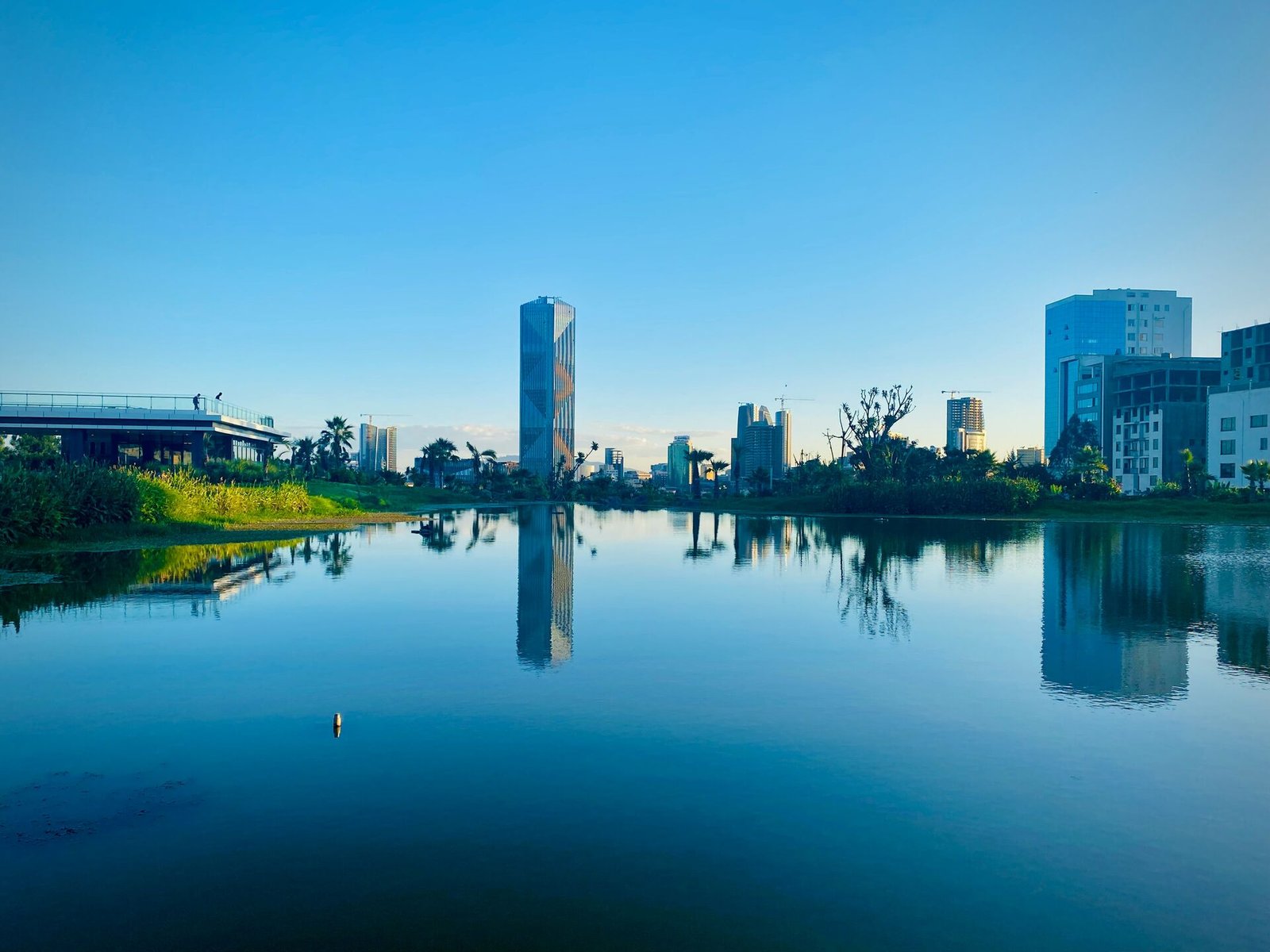
Expanding parks and green spaces
Growing investment in pedestrian areas and public transport
As Ethiopia’s capital and one of Africa’s fastest-growing cities, Addis Ababa is expanding rapidly. This growth creates pressure on transportation, infrastructure, waste management, and the environment. However, the city still has an opportunity to develop without losing the qualities that make its climate and atmosphere special.
Traffic Remains the Main Source of Pollution
Traffic is one of the largest contributors to air pollution in Addis Ababa.
Vehicle emissions can affect air quality, particularly:
During morning and evening rush hours
Along major roads and busy intersections
In areas with older vehicles
During dry and dusty periods
In locations affected by road construction
Although the number of vehicles continues to increase, private car ownership remains lower than in many heavily motorised cities around the world. Public transportation, including buses, minibuses, taxis, and the light rail system, continues to serve a large percentage of the population.
Improving public transport and encouraging the use of cleaner vehicles will be important for protecting the city’s air as it continues to grow.
Climate and Altitude Shape the Experience
Addis Ababa’s climate is one of its greatest natural advantages.
The city’s high elevation creates cooler temperatures than many other African capitals. This reduces the need for air conditioning and gives Addis Ababa a pleasant climate for walking, sightseeing, and outdoor activities.
However, visitors arriving from lower-altitude countries may initially notice the thinner air. This can be more noticeable when walking uphill or visiting elevated locations such as Entoto Mountain.
New arrivals may experience:
Shortness of breath during physical activity
Mild tiredness
A temporary headache
The need to walk more slowly than usual
For most visitors, these effects are mild and improve as the body adjusts to the altitude.
Limited Heavy Industrial Pollution
Addis Ababa is not as heavily industrialised as many large cities around the world.
While factories, construction projects, generators, and small industries can contribute to local pollution, large-scale industrial emissions are not the main source of pollution across most parts of the capital.
This gives Addis Ababa an important environmental advantage. Careful planning can help ensure that future industrial development does not come at the cost of public health and air quality.
The Rainy Season Brings Fresher Air
Seasonal changes have a noticeable effect on the atmosphere in Addis Ababa.
During the rainy season, rainfall helps settle dust and other airborne particles. The cooler temperatures and greener surroundings can make the city feel especially fresh.
Some of the benefits of the rainy season include:
Reduced dust in the air
Cooler daytime temperatures
Greener parks, gardens, and hillsides
Cleaner streets after rainfall
Improved visibility in many areas
During the dry season, dust from roads, construction sites, and open land can make the air feel heavier. This does not always mean pollution levels have dramatically increased, but it can affect comfort and visibility.
Green Spaces and the Green Legacy Initiative
Tree planting and environmental restoration have become increasingly important across Ethiopia.
The Green Legacy initiative has encouraged the planting of billions of trees throughout the country. In Addis Ababa, tree planting, river rehabilitation, and the development of public parks have helped create more attractive and environmentally friendly urban spaces.
Trees and green spaces can help cities by:
Capturing dust and some airborne pollutants
Providing shade
Reducing soil erosion
Supporting biodiversity
Improving the appearance of neighbourhoods
Creating healthier spaces for walking and recreation
However, planting trees is only one part of the solution. Long-term maintenance, waste management, pollution control, and responsible city planning are equally important.
A More Walkable and Environmentally Friendly City
Addis Ababa is gradually becoming more pedestrian-friendly.
New parks, sidewalks, cycling areas, riverside developments, and public spaces are encouraging residents and visitors to spend more time outdoors. Better pedestrian infrastructure can also reduce dependence on private vehicles for short journeys.
Important areas for continued improvement include:
Safer and more connected sidewalks
Reliable and affordable public transportation
Better management of traffic congestion
Cleaner vehicle technology
Stronger control of construction dust
Regular vehicle-emission inspections
Protection of trees and public green spaces
These improvements can make the city healthier, safer, and more enjoyable for both residents and visitors.
Looking Ahead
The future of air quality in Addis Ababa depends on the choices made today.
The city’s altitude, mild climate, limited heavy industry, and expanding green spaces provide a strong foundation. At the same time, rapid population growth, increasing traffic, construction, waste, and dust must be managed carefully.
Addis Ababa has an opportunity to become a model of sustainable urban growth by focusing on:
Cleaner public transportation
Stronger environmental regulations
Well-maintained green spaces
Responsible construction practices
Improved pedestrian infrastructure
Regular monitoring of air quality
Greater public environmental awareness
No growing city is completely free from environmental challenges. However, Addis Ababa still offers something increasingly valuable in modern urban life: the possibility of developing while protecting its cool climate, green character, and highland atmosphere.
For residents, visitors, and future generations, that is something worth preserving.
Related Articles